
You Can’t Be a “Gay Christian”
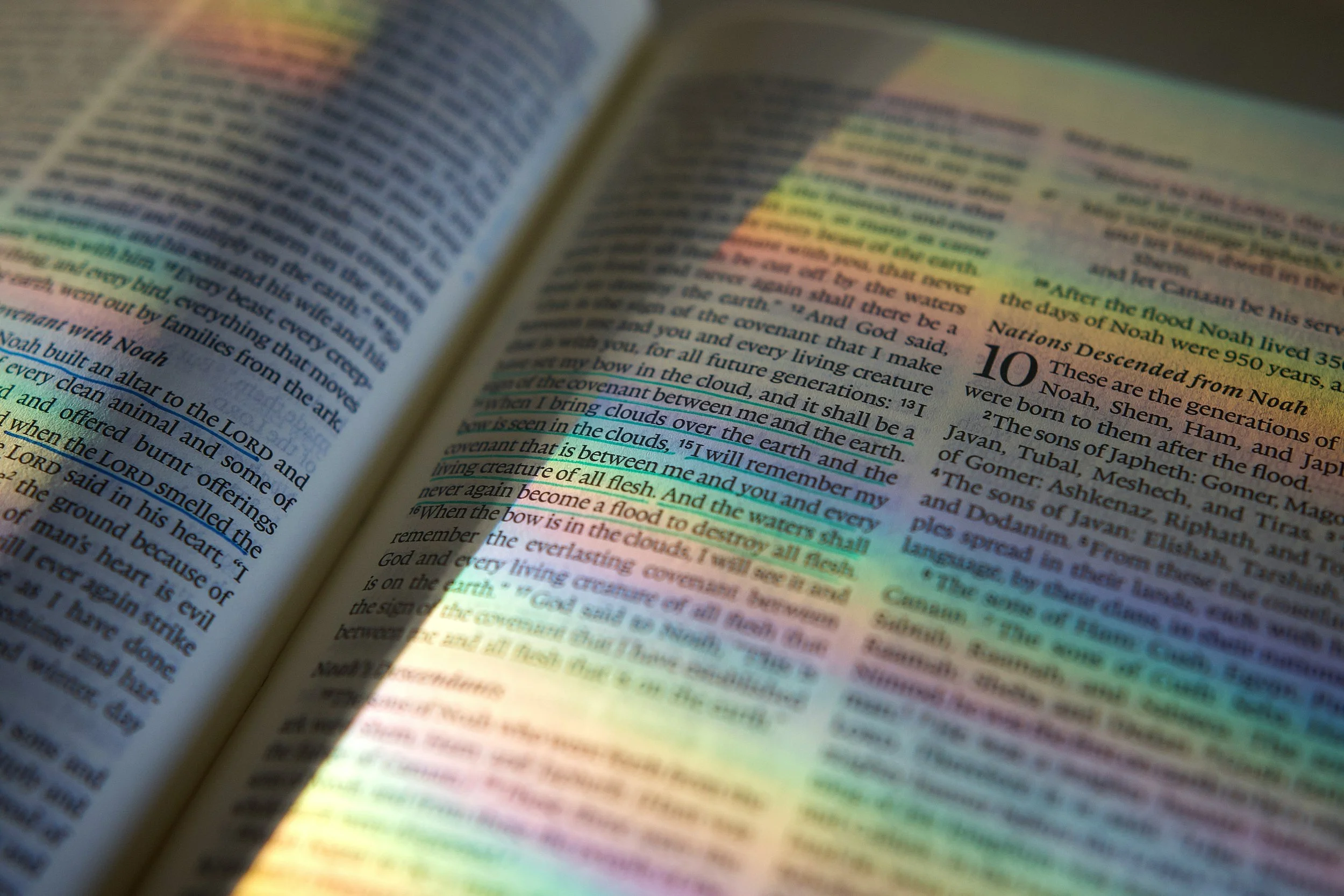
In our therapeutic age, identity has become sacred. People are encouraged to look inward, discover their deepest desires, and then build their entire identity around them. But Scripture teaches the exact opposite. God (and not our desires) defines who we are.
This reality brings us to a difficult but necessary conclusion as Pride Month comes to an end. Without exception, the Christian faith and the Christian Scriptures teach that you cannot be a gay Christian.
That statement is not intended to be cruel, inflammatory, or dismissive. I know wonderful Christians who actively wage war against their same-sex attraction (they rightly declare it is sinful!), and others who have repented of their homosexual lifestyle and now live in their "new nature" (2 Corinthians 5:17) as a heterosexual Christian.
You cannot be a gay Christian. That is a fact, and it is a theological statement rooted in biblical definitions of identity, repentance, and salvation. Now, before emotions take over, we must define our terms biblically.
What is a "Christian?"
According to Scripture, a Christian is someone who has repented of sin and placed faith in Jesus Christ as Lord and Savior (Mark 1:15; Acts 20:21). A Christian has been united with Christ, made a new creation (2 Corinthians 5:17), and now derives his or her identity from Him above all else (Galatians 2:20).
What does the term "gay Christian" communicate?
It joins a sinful pattern of desire or behavior with one's primary identity. It says, in effect, "I am both fundamentally gay and fundamentally Christian." The Bible never speaks this way.
Scripture certainly acknowledges that believers continue to struggle with sin. Christians battle pride, lust, greed, anger, fear, and every manner of temptation (Galatians 5:16–17; James 1:14). But Scripture never encourages believers to embrace their sinful inclinations as identity markers. Rather, Christians are called to put sin to death (Romans 8:13; Colossians 3:5).
The apostle Paul provides a clear example. Writing to the Corinthian church, he lists numerous sinful lifestyles, including homosexual practice, and says, "Such were some of you" (1 Corinthians 6:9–11). Notice the language carefully. He says, "Were." The believers in Corinth were no longer defined by their former sins because they had been "washed," "sanctified," and "justified" in Christ.
The gospel does not merely forgive sinners; it transforms them. Just like we would take exception to embracing someone as an "adulterous Christian," or a "Christian pedophile," or a "Christian prostitute," we must never think of "gay Christian" as a biblically acceptable label.
Some argue, "But being gay simply means experiencing same-sex attraction. It's not about behavior." Yet even here we must exercise biblical precision. Scripture teaches that sinful desires themselves are part of our fallen condition (Matthew 5:27–28; James 1:14–15). Desires contrary to God's design must never be celebrated, cherished, or adopted as identity.
Christians are not anything but "Redeemed Christians." Why, then, would we attach homosexual desire to Christian identity?
Others object, "My sexuality is an unchangeable part of who I am." But Christianity is built upon the reality that every one of us possesses desires that must be denied. Jesus did not say, "Express yourself." He said, "If anyone wishes to come after Me, he must deny himself, take up his cross, and follow Me" (Luke 9:23).
Self-denial lies at the very heart of discipleship.
Another common argument insists, "Jesus never specifically condemned homosexuality." This claim collapses under even basic biblical examination. Jesus affirmed God's created order of one man and one woman in covenant marriage (Matthew 19:4–6). Furthermore, Jesus affirmed the authority of the entire Old Testament (Matthew 5:17–19). The New Testament repeatedly identifies homosexual behavior as sinful (Romans 1:26–27; 1 Corinthians 6:9–10; 1 Timothy 1:9–10).
Still others say, "Love is love." But biblical love is never detached from God's truth. Love does not redefine sin; it calls sinners to repentance. True love tells the truth because eternal souls are at stake (Ephesians 4:15).
The modern "gay Christian" movement often argues that identity labels can be retained as long as celibacy is practiced. Yet this reasoning imports modern psychological categories into Christianity rather than deriving identity from Scripture. The apostles consistently grounded identity in union with Christ, not in disordered desires.
Paul commands believers to "destroy arguments and every lofty opinion raised against the knowledge of God" (2 Corinthians 10:5). Many contemporary arguments surrounding sexuality are precisely such speculations. They elevate human experience, feelings, and cultural narratives above God's revealed truth.
Christians must refuse this inversion.
None of this means that same-sex attracted individuals are uniquely sinful. The ground at the foot of the cross is level. Every Christian has a battle with indwelling sin. Every Christian must repent daily. Every Christian must deny ungodly desires.
The issue is not whether temptation exists. The issue is whether sin becomes identity.
For those struggling with same-sex attraction, I pray you come to rejoice in the fact that Jesus Christ offers forgiveness, cleansing, power, and hope. The call of the gospel is not behavior modification but total transformation. You do not come to Christ by first cleaning yourself up. You come as a sinner in need of mercy. But having come, you do not continue defining yourself by the very sins from which Christ came to save you.
Your deepest identity is not found in your desires. It is found in Jesus Christ.
Therefore, Christians should reject the label "gay Christian" because they believe the gospel offers something far greater than a revised identity. It offers a completely new one!
"Therefore if anyone is in Christ, he is a new creature; the old things passed away; behold, new things have come" (2 Corinthians 5:17).