
READ
Cultivate & Motivate
Learnings, teachings, and theology for anyone to reference during difficult times, stressful workdays, and times of study and growth.

A Word to Blended Families
A complicated family history does not make someone less loved by God or less useful in His kingdom. In this article, Costi Hinn addresses the shame and uncertainty blended families may experience and explains why their stories, growth, and service matter in the church.

Theology Terms Explained: “God’s Jealousy”
God’s jealousy is not rooted in insecurity, envy, or selfishness. It is His holy zeal for His glory and the faithfulness of His people. As the one true God, He alone deserves our wholehearted worship and highest allegiance.

How to Be a Light in a Toxic Work Environment
A toxic work environment can test your convictions, tempt you toward sin, and make faithfulness difficult. In this article, Costi Hinn explains four ways Christians can be a light at work while remaining committed to biblical truth and integrity.

Theology Terms Explained: “God’s Veracity”
God is perfectly truthful in His character, His words, and His actions. He cannot lie, deceive, or make a false promise. His veracity gives Christians confidence to trust His Word, heed His warnings, and believe His promises.

How Do You Work Hard Without Worshiping Work?
We are called to work hard, pursue excellence, and carry our responsibilities with diligence. But there is a danger in letting work become our identity, our source of satisfaction, or the thing we ultimately worship. In this article, Costi Hinn explains how to work hard without allowing work to take the place that belongs to God.

Theology Terms Explained: “God’s Omnipresence”
God is fully present everywhere at all times. There is no place in heaven, on earth, or anywhere in creation where His presence is absent. For the believer, that means there is nowhere we can go where God is not already with us.

Your Marriage Fights Need a Thesaurus
Arguments can quickly spiral when we use words like “always,” “never,” “selfish,” or “crazy.” In this article, Costi Hinn explains why our marriage fights need a thesaurus, encouraging couples to choose words that fit the facts, address the real issue, and build one another up.

Theology Terms Explained: “God’s Omnipotence”
God’s omnipotence means that He is all-powerful. Nothing outside of God can overpower, restrain, or frustrate Him. He possesses all the power necessary to accomplish His perfect will, and nothing is too difficult for Him.

What Should You Look for in a Church?
Choosing a church should be about more than convenience, preferences, or a good Sunday experience. In this article, Costi Hinn outlines five marks of a faithful church and reminds us that the church we join will shape our view of God, our convictions, and our habits of obedience.

Theology Terms Explained: “God’s Omniscience”
God knows everything perfectly and completely. Nothing is hidden from Him, nothing surprises Him, and nothing about our past, present, or future is unknown. His omniscience is both sobering and comforting because the God who knows us completely is also the God who extends grace to us through Christ.

Are You a Contentious Wife?
A wife has extraordinary power and influence either to adorn her husband’s life or erode it from the inside out. In this article, Costi Hinn addresses the biblical warning of a contentious wife and points wives toward repentance, grace, and the godly character that builds a home.

Theology Terms Explained: “Covenant”
God’s covenants reveal a God who keeps His promises. From Noah, Abraham, Moses, and David to the New Covenant in Christ, Scripture unfolds one story of God faithfully accomplishing His redemptive purposes.

Why Feminists Defend Lindsay Clancy
When victimhood becomes the lens through which womanhood is understood, even horrific actions can be reframed. In this article, Costi Hinn examines why feminists have rallied around Lindsay Clancy and what this reveals about the deeper roots of modern feminism.

Theology Terms Explained: “The Fall”
The Fall explains why a world created good by God is now marked by sin, suffering, brokenness, and death. But the story doesn’t end there. Where Adam failed, Christ came to redeem.

Lindsay Clancy Trial: Compassion Cannot Redefine Evil
Lindsey Clancy's murder of her children is not a "head" problem, it's a "heart" one.
If every sin can ultimately be explained away by identifying psychological or external influences, eventually nobody is truly guilty of anything. And once guilt disappears, so does the meaning of forgiveness, and so does the need for the gospel.
Christianity announces sin as our problem, endless excuse-making as rebellion, and Christ as the only hope for wicked sinners like Lindsey, and us.

6 Ways to Kill Your Marriage
Like the Screwtape Letters by C.S. Lewis, Costi Hinn takes an antithetical approach to marriage and unpacks six ways to kill your marriage. As you read through this week’s article, you can imagine how demons might strategize in order to assault your marriage with these ideas.

Theology Terms Explained: “Creation”
The doctrine of creation is about far more than how the universe began. It tells us who God is and who we are. He created all things by His Word and for His glory, and humanity was uniquely created in His image to know Him, worship Him, and reflect His glory.

How Seeker-Driven Churches Create Anemic Christians
In this article, Costi Hinn exposes five ways seeker-driven churches can produce spiritually anemic Christians, from prioritizing crowds over feeding the sheep to entertaining children without truly evangelizing them. A healthy church is measured not by excitement or attendance, but by faithfulness to Christ, His Word, and His mission.

Theology Terms Explained: “Judgment”
Every person will one day stand before God and give an account for their life. Scripture makes clear that God’s judgment is perfectly righteous, impartial, and just. For believers, judgment is not about earning salvation—it is about faithfully serving the Savior who has already redeemed us
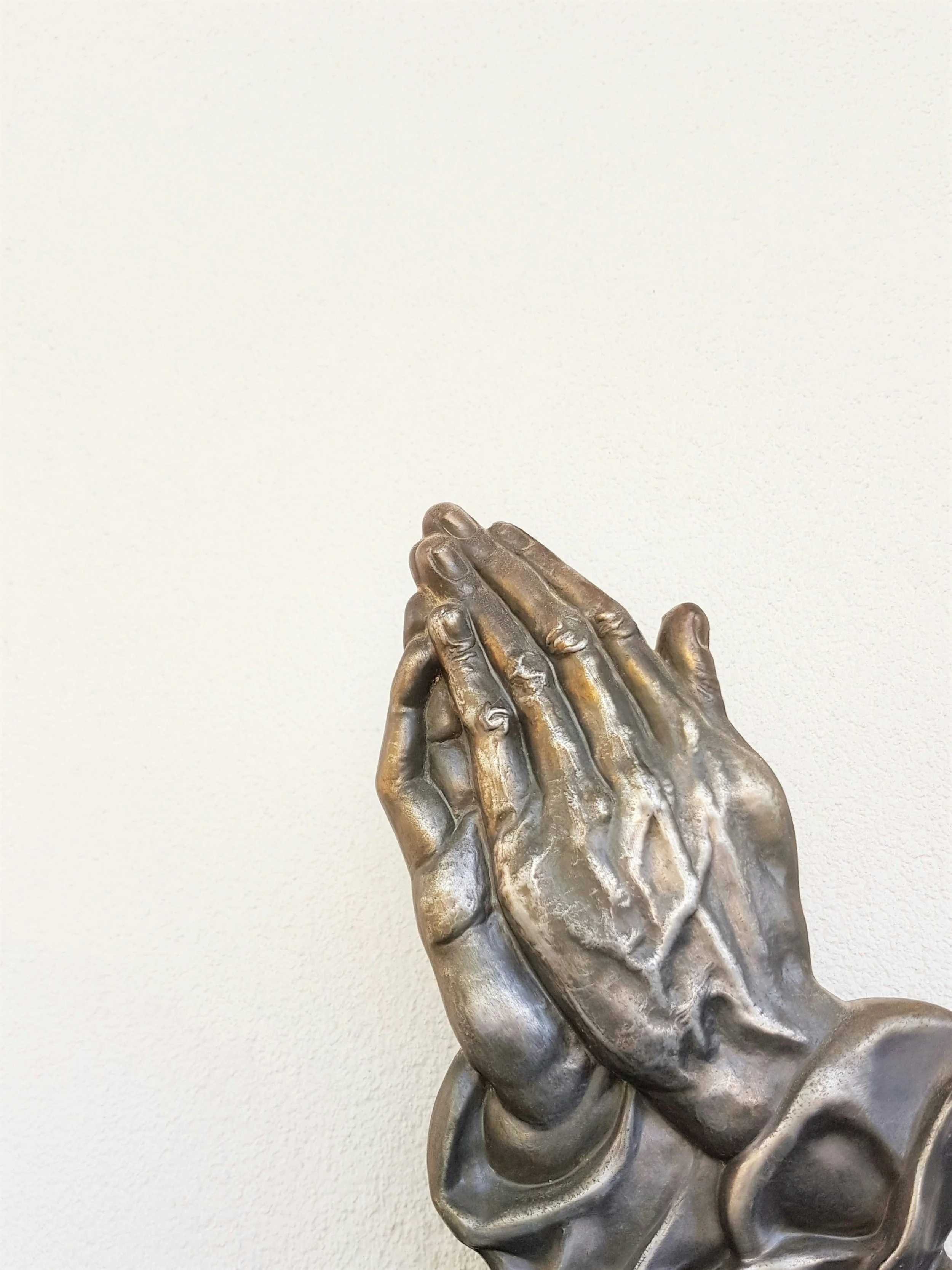
Should Christians Pray Imprecatory Prayers?
In this article, Costi Hinn examines some of the Bible’s most shocking prayers for judgment and explains how Christians should understand them today. Imprecatory prayers aren’t about personal revenge, they’re about trusting God to judge evil according to His perfect righteousness.