
READ
Cultivate & Motivate
Learnings, teachings, and theology for anyone to reference during difficult times, stressful workdays, and times of study and growth.

Theology Terms Explained: “God’s Omniscience”
God knows everything perfectly and completely. Nothing is hidden from Him, nothing surprises Him, and nothing about our past, present, or future is unknown. His omniscience is both sobering and comforting because the God who knows us completely is also the God who extends grace to us through Christ.

Theology Terms Explained: “Covenant”
God’s covenants reveal a God who keeps His promises. From Noah, Abraham, Moses, and David to the New Covenant in Christ, Scripture unfolds one story of God faithfully accomplishing His redemptive purposes.

Theology Terms Explained: “The Fall”
The Fall explains why a world created good by God is now marked by sin, suffering, brokenness, and death. But the story doesn’t end there. Where Adam failed, Christ came to redeem.

Theology Terms Explained: “Creation”
The doctrine of creation is about far more than how the universe began. It tells us who God is and who we are. He created all things by His Word and for His glory, and humanity was uniquely created in His image to know Him, worship Him, and reflect His glory.

Theology Terms Explained: “Judgment”
Every person will one day stand before God and give an account for their life. Scripture makes clear that God’s judgment is perfectly righteous, impartial, and just. For believers, judgment is not about earning salvation—it is about faithfully serving the Savior who has already redeemed us

Theology Terms Explained: “Death”
Death entered the world through sin, and every person will one day face it. Yet for those in Christ, death does not have the final word. Because Jesus conquered the grave, believers can face death with hope, knowing that death will ultimately be swallowed up in victory.

Theology Terms Explained: “Hell”
Hell is one of the Bible's most sobering doctrines, yet it reveals the holiness of God, the seriousness of sin, and the immeasurable mercy found in Jesus Christ. Rightly understanding hell deepens our gratitude for the gospel and reminds us that God's offer of salvation is both gracious and urgent.

Theology Terms Explained: “Indwelling of the Holy Spirit”
The Holy Spirit doesn't simply influence believers from a distance. He permanently dwells within every Christian from the moment of salvation, assuring, sanctifying, and strengthening them to live for God's glory.

Theology Terms Explained: “Sealing of the Holy Spirit”
The sealing of the Holy Spirit is God's act of marking every believer as His own at the moment of salvation. The Holy Spirit Himself is the divine seal, guaranteeing the believer's salvation and future inheritance until the day of redemption.

Theology Terms Explained: “Filling of the Holy Spirit”
The filling of the Holy Spirit refers to the believer's continual yielding to the Holy Spirit's control and influence. As believers submit to God's Word and walk in obedience, the Holy Spirit empowers them for holy living, faithful service, worship, and effective witness.

Theology Terms Explained: “Baptism of the Holy Spirit”
The baptism of the Holy Spirit is the work of the Holy Spirit at the moment of salvation whereby every believer is united with Jesus Christ and permanently placed into His body, the Church.
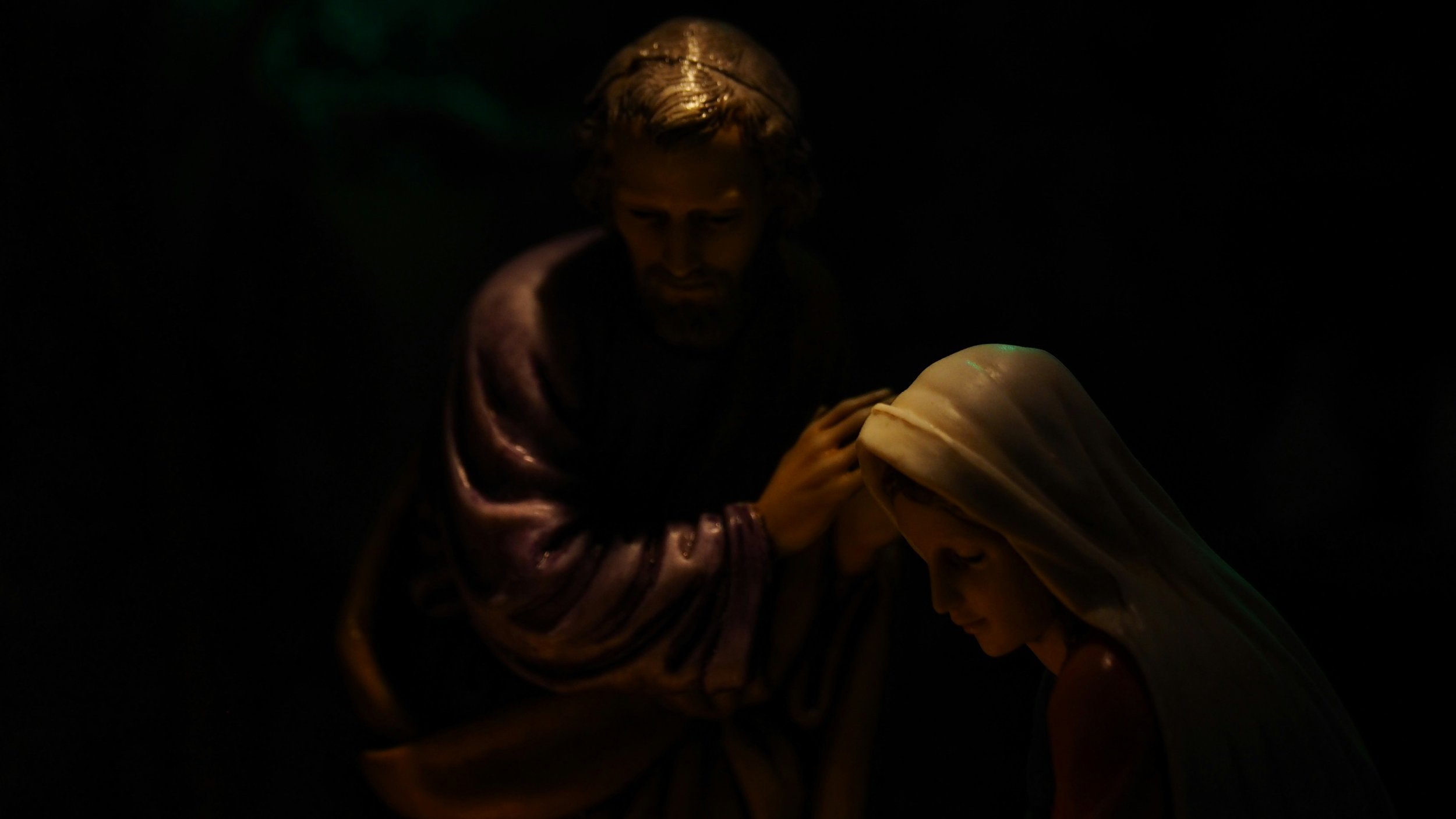
Theology Terms Explained: “Virgin Birth”
The virgin birth is the biblical doctrine that Jesus Christ was conceived by the Holy Spirit in the womb of the virgin Mary without a human father. This miraculous event fulfilled Old Testament prophecy and affirmed both Christ's full humanity and full deity.

Theology Terms Explained: “Incarnation”
The incarnation refers to the eternal Son of God taking on human flesh in the person of Jesus Christ. Jesus was not merely a man who resembled God, nor was He a divine being pretending to be human. He is truly God and truly man in one person.

Theology Terms Explained: “Sacraments”
Sacraments are sacred ordinances instituted by Christ that visibly symbolize spiritual realities. In Protestant theology, the two ordinances commonly recognized are baptism and the Lord’s Supper because they were directly commanded by Jesus in Scripture. These practices do not save a person, but they serve as outward signs that point to inward spiritual truths.

Theology Terms Explained: “Resurrection”
In Christian theology, resurrection refers to the bodily raising of the dead by the power of God. Most centrally, it refers to the resurrection of Jesus Christ three days after His crucifixion, proving His victory over sin, death, and Satan. The resurrection is foundational to the gospel and guarantees the future bodily resurrection of all believers.

Theology Terms Explained: “Wrath”
Wrath is the holy, righteous, and settled anger of God against sin and evil. Unlike sinful human anger, God’s wrath is never uncontrolled, selfish, or unjust. It is His perfect and necessary response to everything that opposes His holiness and righteousness.

Theology Terms Explained: “Faith”
Faith is confident trust in God and in the truth of His Word. Biblical faith is not blind optimism, positive thinking, or merely believing something exists. It is a wholehearted reliance upon God’s character, promises, and saving work through Jesus Christ.

Theology Terms Explained: “Grace”
Grace is the undeserved favor and kindness of God shown to sinners. It means God gives what we do not deserve and could never earn