
Theology Terms Explained: “Inerrancy of Scripture”
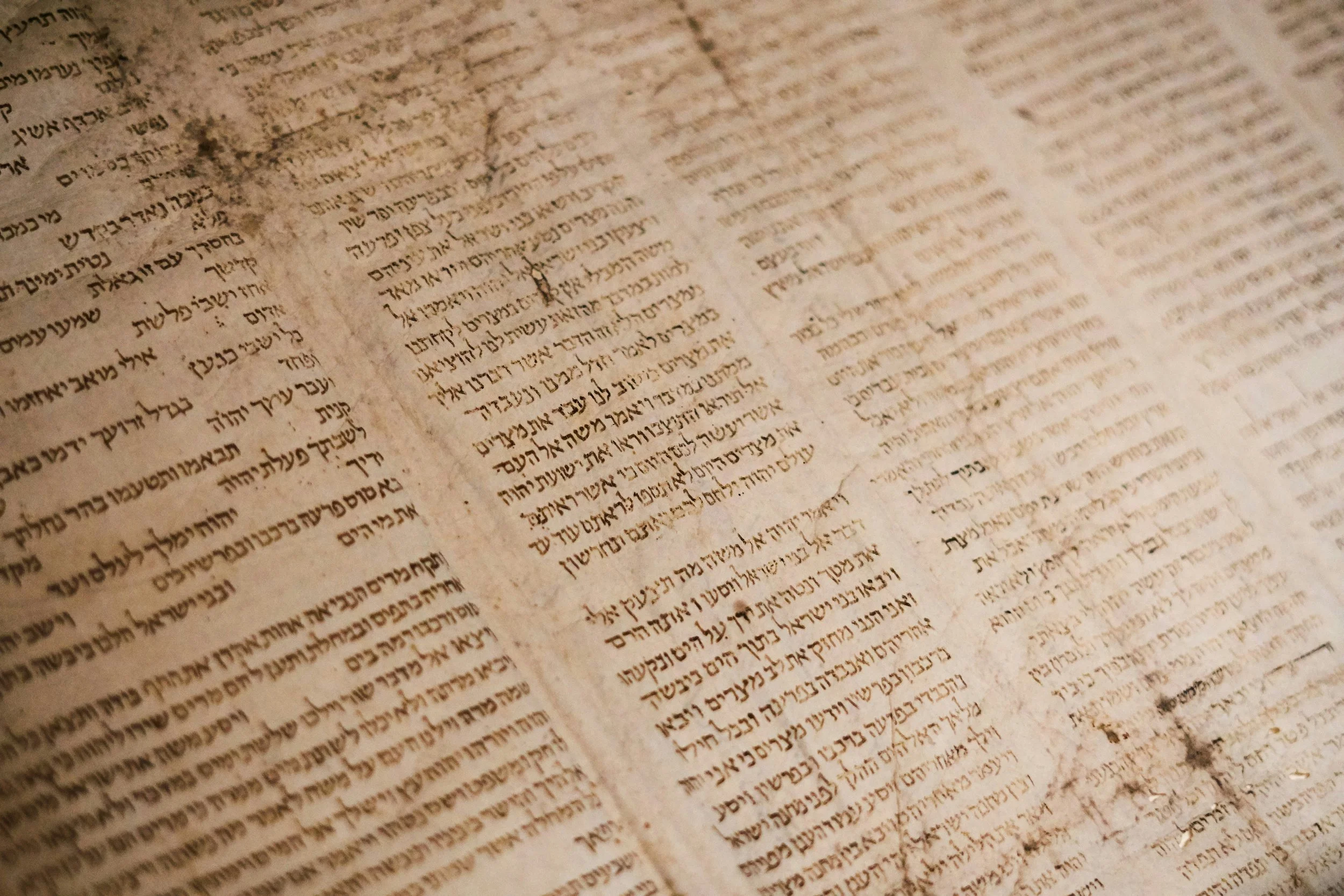
In this series on the blog, we’re providing sound doctrine for everyday people by providing you with clear and simple definitions that will strengthen your theological foundation. Each article covers 4 categories including:
The Term – We lay out how it’s pronounced or synonymous terms.
The Definition – We provide the Merriam-Webster definition and an everyday version.
The Biblical Connection – We show you where the term connects with Scripture.
Used in an Everyday Conversation – We use it in a basic conversation.
The Term
Inerrancy of Scripture
(pronounced: in-AIR-en-see)
The Definition
Merriam-Webster (adapted): The quality of being free from error.
FTG Expanded Explanation:
The inerrancy of Scripture means that the Bible, in its original writings, is completely true and without error in everything it affirms. Because God is the ultimate author of Scripture and God cannot lie, His Word is perfectly trustworthy. This does not mean the Bible always speaks with modern scientific precision or uses contemporary technical language. It does mean that everything Scripture intends to communicate—whether historical, theological, moral, or spiritual—is true. The Bible does not mislead, deceive, or contain mistakes. When rightly interpreted, Scripture proves to be fully reliable in all that it teaches.
The Biblical Connection
Scripture consistently presents God’s Word as perfectly true and incapable of error.
Matthew 5:18 – ““For truly I say to you, until heaven and earth pass away, not the smallest letter or stroke shall pass from the Law until all is accomplished.”
Psalm 12:6 – “The words of the LORD are pure words; As silver tried in a furnace on the earth, refined seven times.”
John 10:35 – “…and the Scripture cannot be broken.”
John 17:17 – ““Sanctify them in the truth; Your word is truth.”
Titus 1:2 – “…in the hope of eternal life, which God, who cannot lie, promised long ages ago…”
The doctrine of inerrancy reminds believers that the Bible can be trusted fully. If God speaks truthfully, then His written Word must also be true.
Used in Everyday Conversation
“If the Bible says it, I believe it…not because I understand everything perfectly, but because God doesn’t make mistakes.”
“I don’t approach Scripture assuming it’s wrong. I approach it assuming I may need to understand it better.”
“The Bible isn’t mostly true or spiritually true, it’s completely trustworthy.”