
READ
Cultivate & Motivate
Learnings, teachings, and theology for anyone to reference during difficult times, stressful workdays, and times of study and growth.

Should Christians Pray Imprecatory Prayers?
In this article, Costi Hinn examines some of the Bible’s most shocking prayers for judgment and explains how Christians should understand them today. Imprecatory prayers aren’t about personal revenge, they’re about trusting God to judge evil according to His perfect righteousness.

Theology Terms Explained: “Death”
Death entered the world through sin, and every person will one day face it. Yet for those in Christ, death does not have the final word. Because Jesus conquered the grave, believers can face death with hope, knowing that death will ultimately be swallowed up in victory.

Kids Can Smell Your Hypocrisy
Children see more than we realize. In this article, Costi Hinn challenges parents to consider whether the Christianity they profess is the Christianity they live, reminding us that our children do not need perfect parents, but genuine ones who model faith, repentance, and humility.

Theology Terms Explained: “Hell”
Hell is one of the Bible's most sobering doctrines, yet it reveals the holiness of God, the seriousness of sin, and the immeasurable mercy found in Jesus Christ. Rightly understanding hell deepens our gratitude for the gospel and reminds us that God's offer of salvation is both gracious and urgent.

The Silent Killer of Christian Men
In this article, Costi Hinn examines the silent sin that often precedes public failure: passivity. Long before many Christian men fall into visible sin, they slowly abandon the responsibilities God has entrusted to them. Scripture calls men to pursue Christ, lead with courage, and walk in faithful obedience.

Theology Terms Explained: “Indwelling of the Holy Spirit”
The Holy Spirit doesn't simply influence believers from a distance. He permanently dwells within every Christian from the moment of salvation, assuring, sanctifying, and strengthening them to live for God's glory.

Why Christians Should Never Use The Passion Translation (TPT)
God's Word must never be altered to fit human ideas. In this article, Costi Hinn exposes the serious issues with The Passion Translation and explains why it cannot be trusted as a faithful translation of Scripture.

Theology Terms Explained: “Sealing of the Holy Spirit”
The sealing of the Holy Spirit is God's act of marking every believer as His own at the moment of salvation. The Holy Spirit Himself is the divine seal, guaranteeing the believer's salvation and future inheritance until the day of redemption.

Which Bible Translation Should You Use?
Not every Bible translation is created with the same philosophy or purpose. Understanding the differences can help you read God's Word with greater confidence. In this article, Costi Hinn breaks down the strengths, weaknesses, and best uses of eight popular Bible translations to help you make an informed choice.

Theology Terms Explained: “Filling of the Holy Spirit”
The filling of the Holy Spirit refers to the believer's continual yielding to the Holy Spirit's control and influence. As believers submit to God's Word and walk in obedience, the Holy Spirit empowers them for holy living, faithful service, worship, and effective witness.

8 Signs You’re Spiritually Drifting
Spiritual drift rarely happens all at once. It begins with small compromises that slowly pull our hearts away from Christ. In this article, Costi Hinn outlines eight warning signs of spiritual drift and points believers back to the hope of repentance and restoration.

Theology Terms Explained: “Baptism of the Holy Spirit”
The baptism of the Holy Spirit is the work of the Holy Spirit at the moment of salvation whereby every believer is united with Jesus Christ and permanently placed into His body, the Church.

Habits of a Healthy Marriage
Marriage doesn't thrive by accident—it is cultivated through faithfulness, consistency, and intentional habits. In this article, Costi Hinn shares four biblical practices that can strengthen your marriage and help you pursue the kind of relationship that honors Christ.
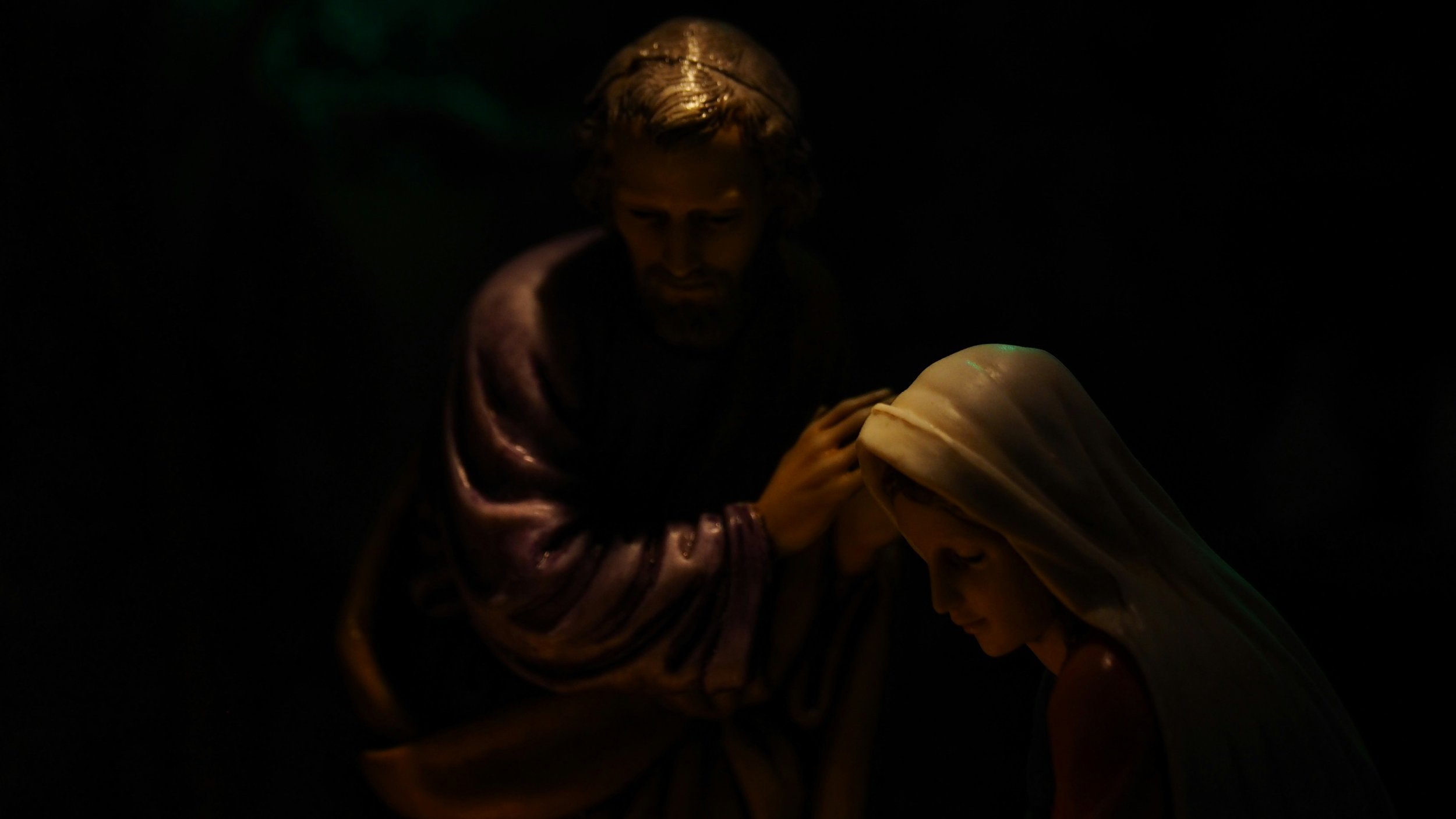
Theology Terms Explained: “Virgin Birth”
The virgin birth is the biblical doctrine that Jesus Christ was conceived by the Holy Spirit in the womb of the virgin Mary without a human father. This miraculous event fulfilled Old Testament prophecy and affirmed both Christ's full humanity and full deity.

You Can’t Be a “Gay Christian”
Christians should reject the label "gay Christian" because the gospel offers something far greater than a revised identity. It offers a completely new one! In this article capping off “Pride Month,” Costi Hinn deals with every major discussion point that Christians might face when dialoguing with gay friends such as
- My sexual orientation is just who I am
- Jesus never condemned homosexuality
- I’m not gay I am just same-sex attracted
- Love is love
- Jesus never condemned homosexuality
Without exception, the Christian faith teaches that you can’t be a “gay Christian.”

Theology Terms Explained: “Incarnation”
The incarnation refers to the eternal Son of God taking on human flesh in the person of Jesus Christ. Jesus was not merely a man who resembled God, nor was He a divine being pretending to be human. He is truly God and truly man in one person.

We Need to Address Pastoral Obesity
Some conversations are uncomfortable, but that doesn't make them unimportant. In this article, Costi Hinn addresses the often-overlooked issue of pastoral obesity, arguing that physical stewardship is not merely a health concern but a matter of self-control, longevity, and faithful ministry.

Theology Terms Explained: “God’s Revealed Will”
God’s revealed will refers to what He has clearly made known in Scripture concerning how people are to live, believe, and obey. Unlike His hidden sovereign decrees, God’s revealed will is openly communicated through His Word.

What is the Unpardonable Sin?
Fear and confusion often surround the question of the unpardonable sin, but Scripture provides clarity where speculation falls short. In this article, Costi Hinn examines what Jesus meant in Matthew 12 and explains why God's grace remains available to every repentant sinner.

Theology Terms Explained: “God’s Decretive Will”
God’s decretive will refers to His sovereign, eternal plan that determines all things that come to pass. Nothing happens outside of God’s ultimate authority or purpose. His decretive will cannot be thwarted, altered, or frustrated because He rules over all creation perfectly and completely.